
Publications

Testing the performance of sodium polytungstate and lithium heteropolytungstate as non-toxic dense media for pollen extraction from lake and peat sediment samples
Pollen analysis is one of the most important methods to reconstruct past climate change and to understand prehistoric and early historic human-environment interactions. Every study based on fossil pollen assemblages from sedimentary archives starts with the preparation of collected sample material. The most widely employed protocols to concentrate pollen involve the use of several chemicals including hydrofluoric acid (HF), which is extremely hazardous to human health. As an alternative to HF, we have tested the reliability of dense [...]
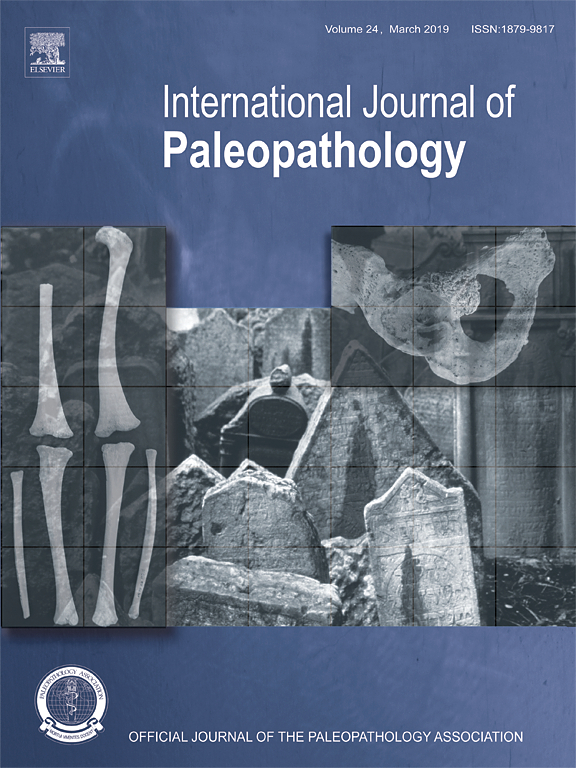
An innovative method to visualise mastoiditis using a hand-held X-ray system
Objective: We explore the utility of using a hand-held X-ray system to diagnose mastoiditis in archaeological populations. Materials: A sample (n = 56) of hunter-fisher-gatherers from the Early Neolithic (8,000–7,000/6,800 cal. BP) Cis-Baikal cemetery of Shamanka II (Russia) were examined. Methods: Images were taken medio-laterally, approximately 90° to a sensor temporarily affixed to the lateral surface of the mastoid process. Digital radiographs were analysed for signs of mastoiditis occurring pre- and/or post-puberty. Results: Two thirds of individuals (39/56) exhibited evidence of [...]
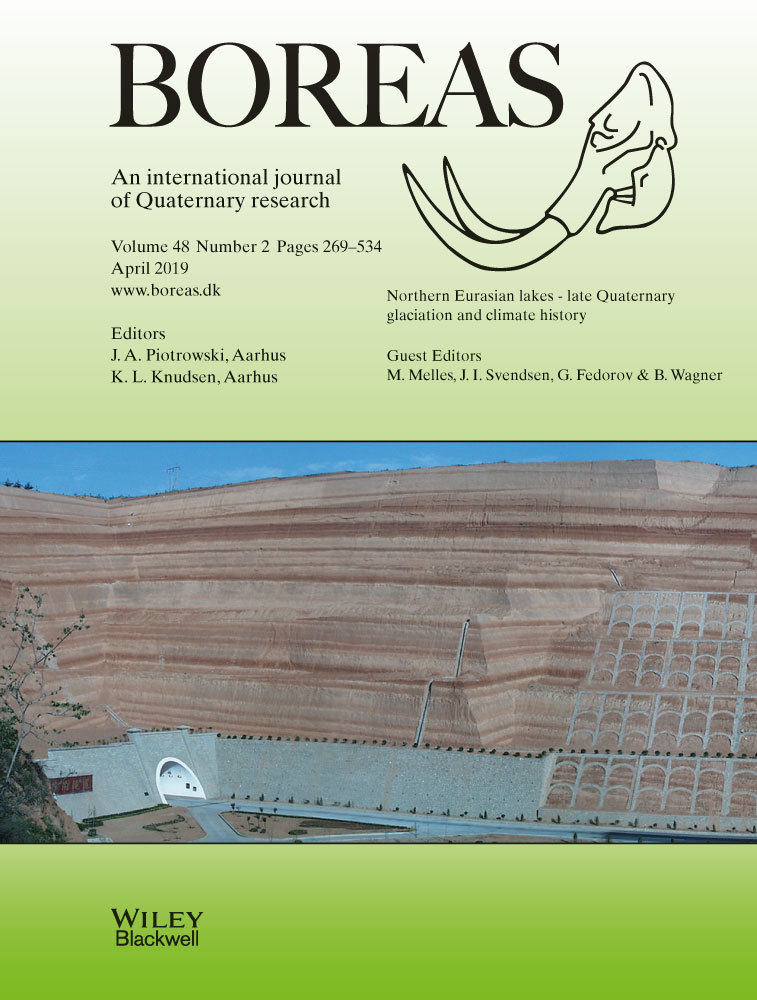
Insight into the Last Glacial Maximum climate and environments of the Baikal region
This study presents a multi-proxy record from Lake Kotokel in the Baikal region at decadal-to-multidecadal resolution and provides a reconstruction of terrestrial and aquatic environments in the area during a 2000-year interval of globally harsh climate often referred to as the Last Glacial Maximum (LGM). The studied lake is situated near the eastern shoreline of Lake Baikal, in a climatically sensitive zone that hosts boreal taiga and cold deciduous forests, cold steppe associations typical for northern Mongolia, and [...]
Late glacial and early Holocene environments and human occupation in Brandenburg, eastern Germany
The paper reports on the results of the pollen, plant macrofossil and geochemical analyses and the AMS 14C-based chronology of the «Rüdersdorf» outcrop situated east of Berlin in Brandenburg (Germany). The postglacial landscape changed from an open one to generally forested by ca. 14 cal. kyr BP. Woody plants (mainly birch and pine) contributed up to 85% to the pollen assemblages ca. 13.4–12.5 cal. kyr BP. The subsequent Younger Dryas (YD) interval is characterized by a decrease in [...]

Using δ2H in Human Bone Collagen to Correct for Freshwater 14C Reservoir Offsets: A Pilot Study from Shamanka II, Lake Baikal, Southern Siberia
There is increasing awareness of the need to correct for freshwater as well as marine reservoir effects when undertaking radiocarbon (14C) dating of human remains. Here, we explore the use of stable hydrogen isotopes (δ2H), alongside the more commonly used stable carbon (δ13C) and nitrogen isotopes (δ15N), for correcting 14C freshwater reservoir offsets in 10 paired human-faunal dates from graves at the prehistoric cemetery of Shamanka II, Lake Baikal, southern Siberia. Excluding one individual showing no offset, the average [...]

Shifting weaning practices in Early Neolithic Cis‐Baikal, Siberia: New insights from stable isotope analysis of molar micro‐samples
Reconstructing individual dietary histories at Shamanka II, an Early Neolithic (7000–5700 cal. BP) Kitoi hunter‐gatherer cemetery in Cis‐Baikal, Siberia, revealed surprising intrapopulation variability in childhood diets. Stable isotope analytical data produced by micro‐sampled first molars identified changes in both the timing and rate of weaning for different individuals. Further, examination within the framework of a high‐resolution radiocarbon chronology identified shifting practices between two phases of cemetery use, and additional links with mortuary treatment that indicates differences relating to group [...]